
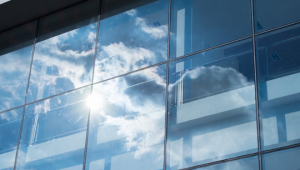
When considering glare minimisation without affecting the rooms light, we first need to understand Glare, we can describe glare as a visual condition that occurs when the light quality, level and direction causes us to feel discomfort and/or results in us not being able to see us well and/or suffer from contrast sensitivity. When designing
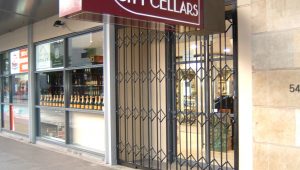
When considering minimizing the visual impact of securing ground floor commercial tenancies on your next multi residential and mixed-use project think of security doors which slide sideways completely out of the way when unlocked and opened during trading hours so as to be almost invisible. Australian Trellis Door Company specializes in unique retractable trellis security
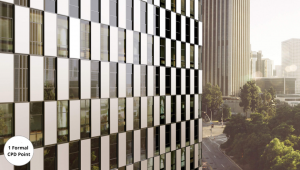
Glass curtain walls can replace your existing solid walls to make an otherwise ordinary room into something spectacular. Aluminium glazed walls effortlessly blur the divide between in-and outside, allowing your living spaces to be filled with panoramic views and natural light. Reynaers aluminium curtain walling offers a range of aesthetic solutions, such as different styles
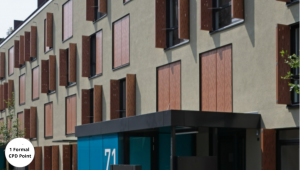
A new construction with 46 apartments in the city district of Goethestrasse in Darmstadt designed by the architects’ consortium of Gordan Dubokovic and Lothar Greulich has a very individual character thanks to its living façade. The windows have copper-coloured folding sliding elements that offer privacy and protection from the sun. A perforation pattern designed by
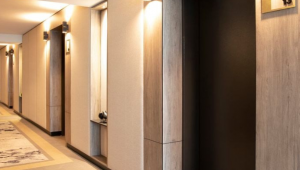
Polytec have achieved their mission of making the ordinary extraordinary. Tactile surface enhancements have helped to change the perception of laminate. While laminate is still a valuable product that is durable and flexible in application – it now looks and feels a whole lot better. The sense of touch has been elevated in interior environments.
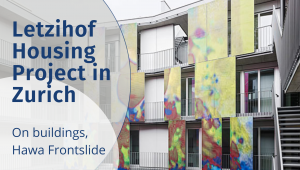
Sliding shutters lining the courtyards of the Letzihof residential complex not only protect against the sun and prying eyes when closed, but are also works of architectural art: the shutters are covered in fabric printed with pictures by artist Annelies Štrba. Industrial, unconventional, contemporary – that was the goal set for the architectural competition
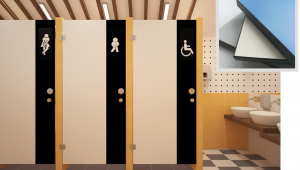
We are all increasingly aware of the on-going supply issues with many building materials and trades. The combined challenges of the on-going Covid-19 pandemic and global supply chain issues have created somewhat of a perfect storm for builders. As these continue to grow, we must think ahead and respond promptly to limit the impact these issues
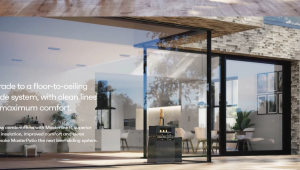
MasterPatio has been developed to combine comfort on every level, clean aesthetics down to the details, sustainable efforts, and unlimited design freedom. The system is suitable for low energy or passive buildings, and its robustness makes it the perfect choice for high-rise buildings. Reynaers aluminium is already recycled or produced by low carbon energy sources,
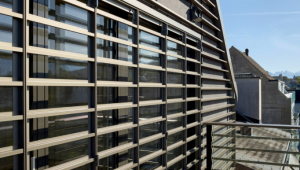
At over 100 years old and requiring renovation, the Stadthaus Switzerland,underwent comprehensive renovation and additional stories were added in 2018/2019. This height extension rises dramatically above the existing building, enabling a new project to rise from the old. The new façade clad with brown aluminum profiles does not project into the foreground, but rather allows
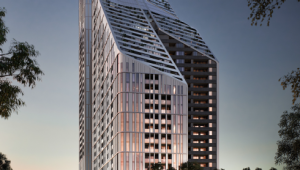
Hexicon ESD Consulting provides our clients with Practical Environmentally Sustainable Design solutions. Established in 2019, Hexicon is rooted to help make strategic arrangements, optimise solutions and is based in Melbourne. The team works across Residential, Mixed Use and Commercial Projects to deliver services that ensure projects meet Environmentally Sustainable Development criteria. With a wealth of